
Life in China

China Travel

Four cities. Four distinct ways into China. Begin with places where history, food, river life and contemporary culture are easy to encounter beyond the classroom.

Meet the cities

A first orientation

Travel as a way to understand where you study

Studying in China is not limited to a campus or a single city. A short trip can show how regional food changes, how neighborhoods respond to climate, and how history remains visible in everyday routines.

This first edition is intentionally selective. It introduces four useful starting points rather than trying to rank the country or compress it into a checklist.

BeijingShanghaiGuangzhouWuhan
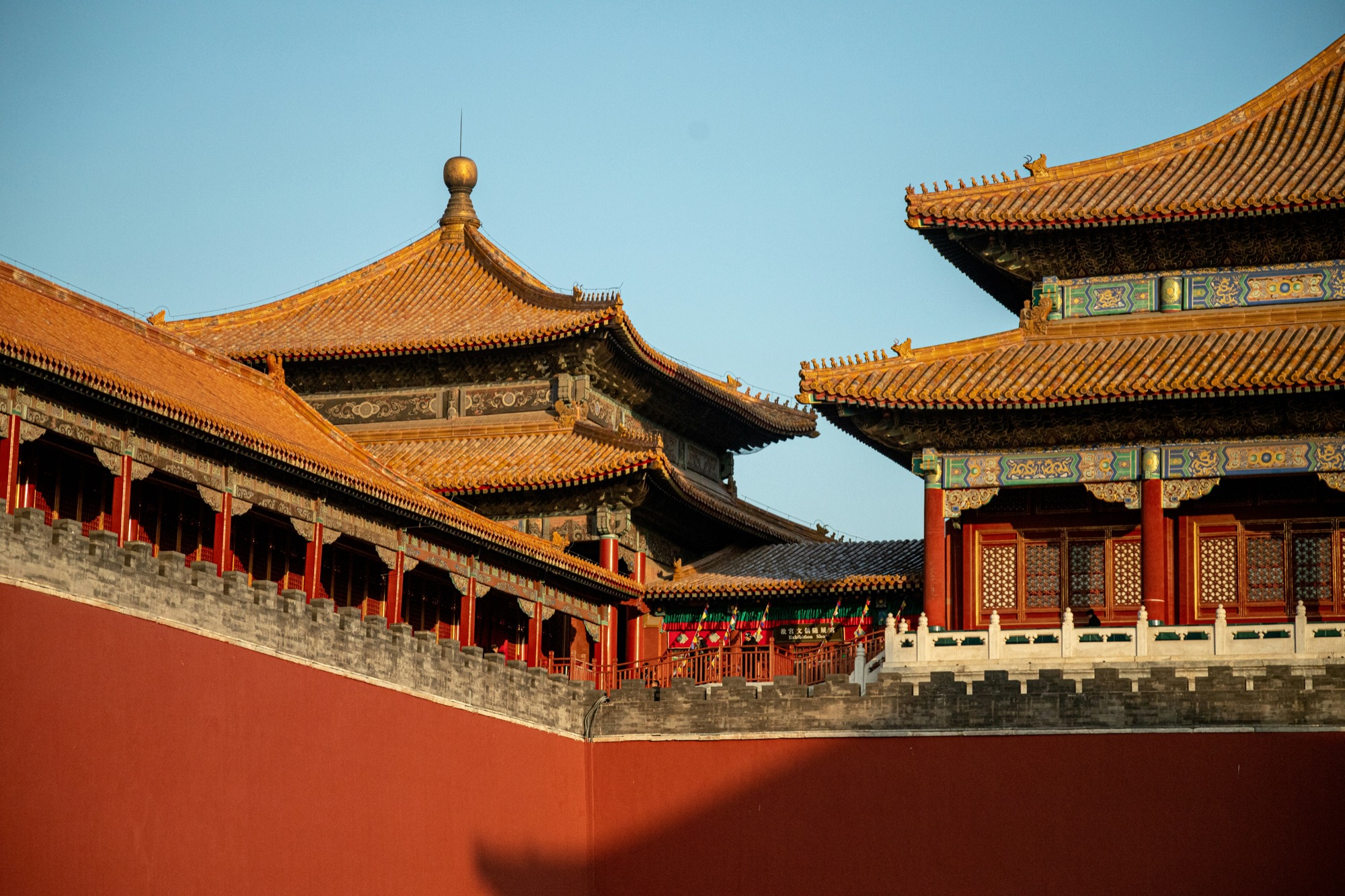
The Forbidden City rooftops with the modern Beijing skyline in the distance
Northern China
01北京

Northern China

Beijing

Start with the long view

Beijing rewards travelers who let imperial scale, neighborhood life and the present-day capital sit side by side.

Walk slowly through the city center, notice how courtyards and broad avenues change the rhythm of a block, and leave time for a neighborhood meal away from the largest landmarks.

A natural fit forHistory, architecture and first-time context
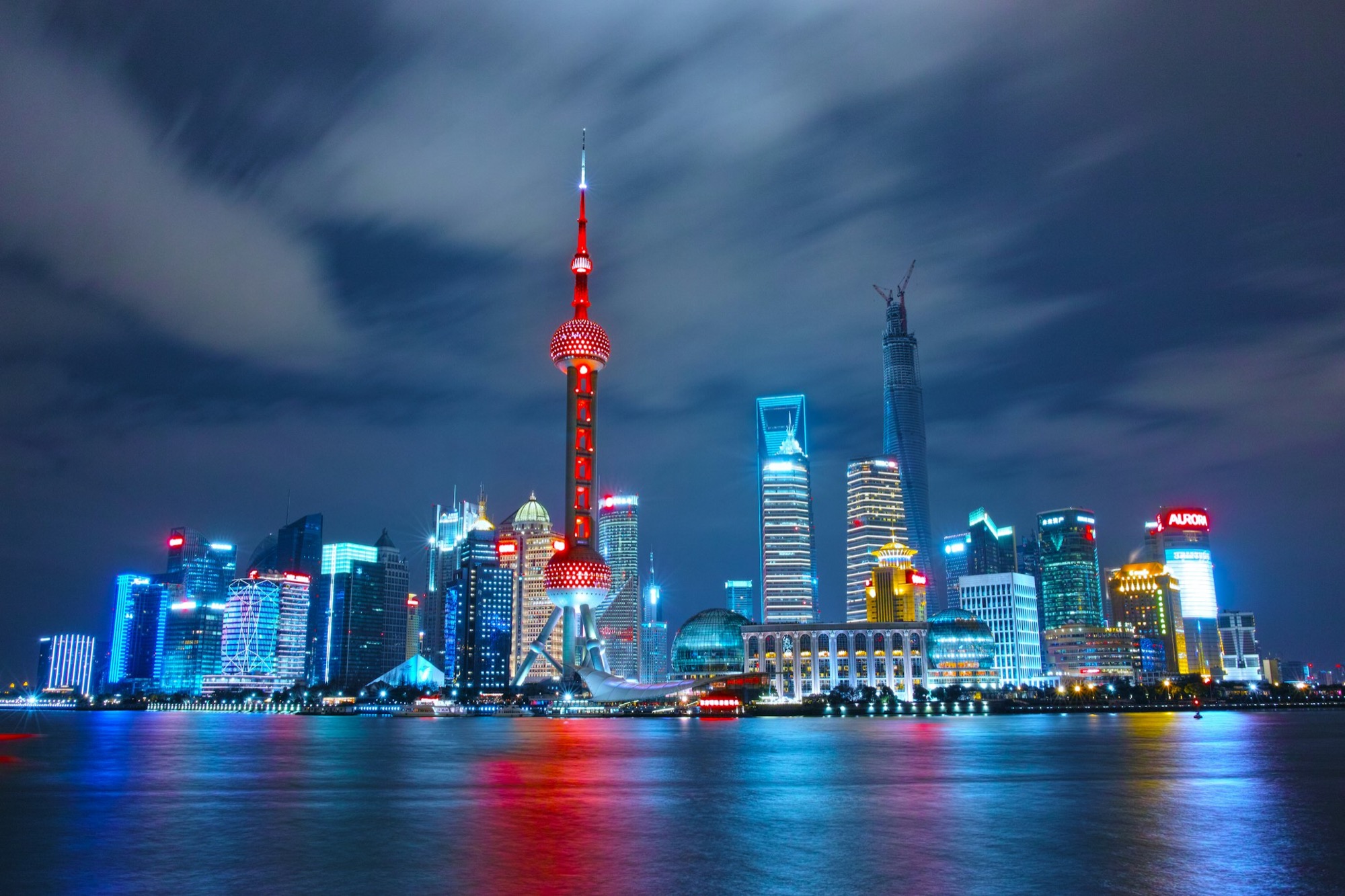
Shanghai skyline and waterfront viewed across the Huangpu River
Yangtze River Delta
02上海

Yangtze River Delta

Shanghai

Read the city through contrast

Shanghai places riverfront skylines, shaded residential lanes and ambitious contemporary design within a single day of wandering.

Use the Huangpu River as an orientation point, then move into smaller streets where storefronts, apartment life and local cafes make the city feel less like a postcard.

A natural fit forUrban design, street life and contemporary culture
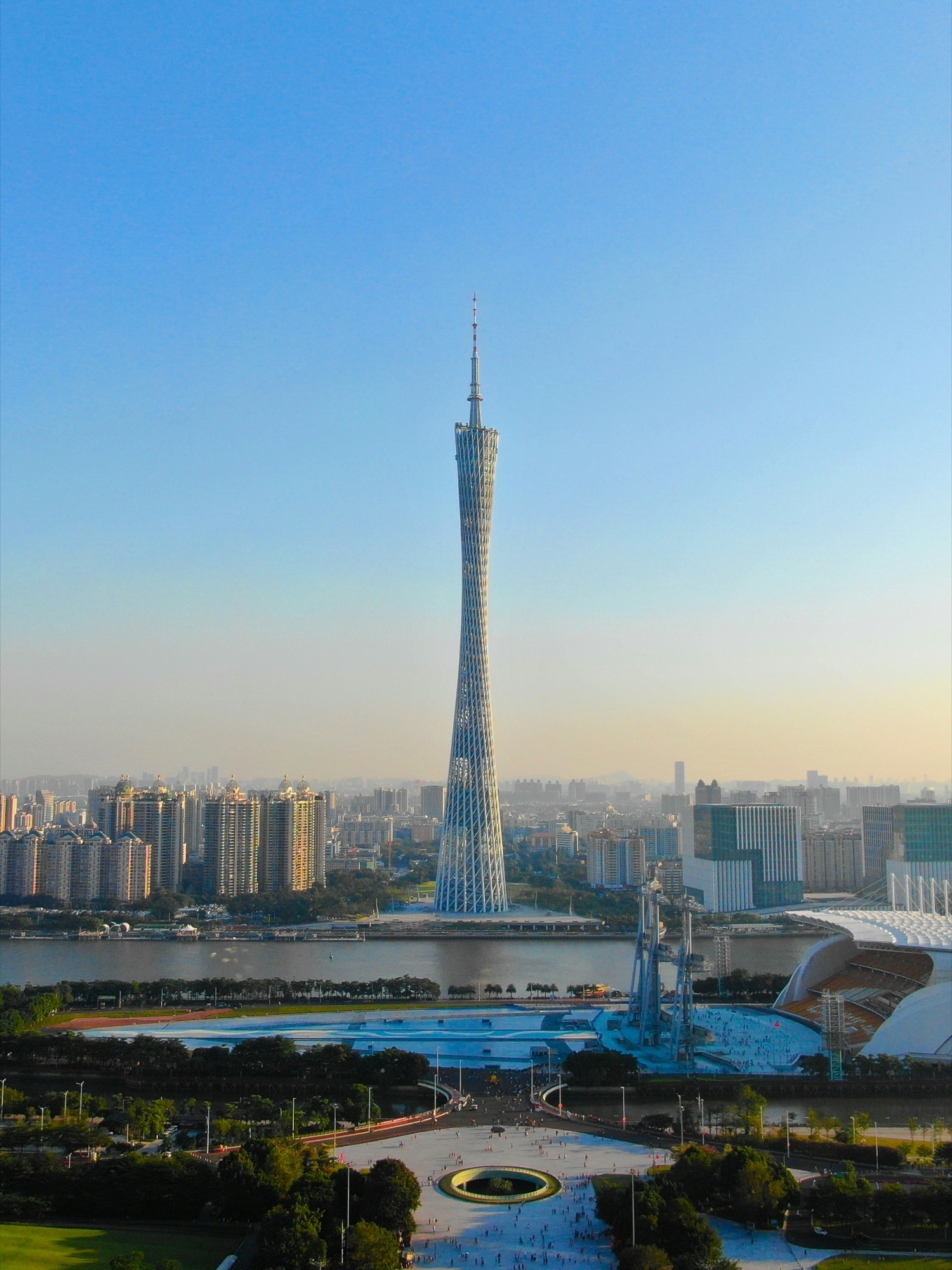
Guangzhou towers rising beside the Pearl River
Pearl River Delta
03广州

Pearl River Delta

Guangzhou

Follow the food and the river

Guangzhou is a southern trading city whose character comes through in Cantonese food, subtropical streets and life along the Pearl River.

Begin early with breakfast or dim sum, compare older arcaded streets with the modern riverfront, and listen for Cantonese as the soundscape changes between districts.

A natural fit forFood, regional culture and warm-weather city breaks
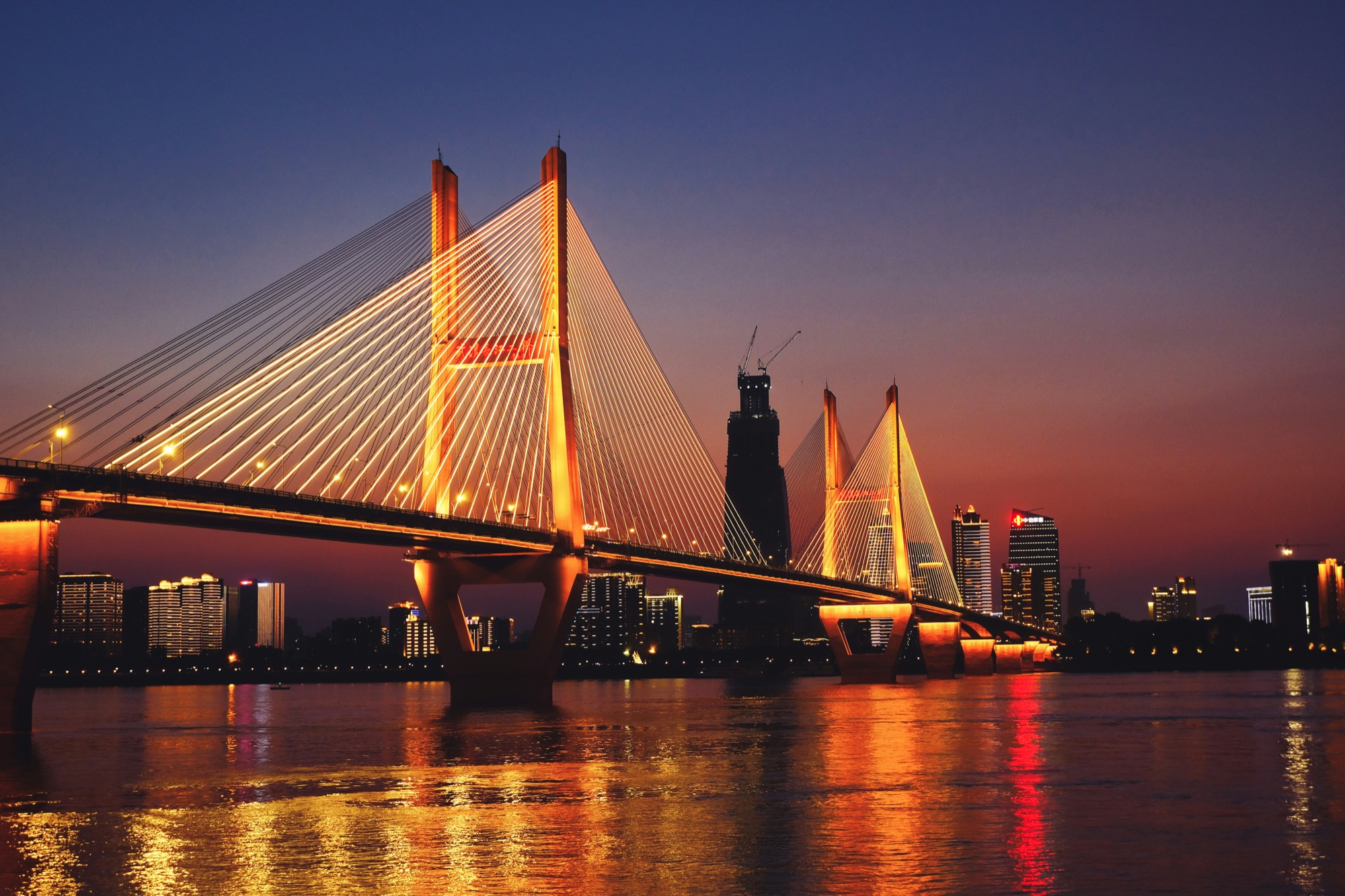
The First Wuhan Yangtze River Bridge crossing the broad river
Central China
04武汉

Central China

Wuhan

Meet China at the crossroads

Wuhan is shaped by rivers, bridges and the meeting of three historic urban areas, giving the city a grounded central-China perspective.

Make the river part of the day, try a local breakfast, and notice how university neighborhoods, commercial streets and waterfront spaces each reveal a different pace.

A natural fit forRiver landscapes, everyday city life and repeat visitors

Look beyond landmarks

Three lenses for a more memorable trip

01

Eat regionally

Choose dishes connected to the city, observe how and when people eat, and treat a busy breakfast counter as part of the cultural experience.

02

Notice the journey

Stations, transit and the changing landscape between cities reveal scale and regional difference before you reach a famous sight.

03

Follow the water

Rivers shape all four cities in different ways. Waterfronts are useful places to understand geography, public life and the city skyline.

Editorial note

This page is an introductory guide, not a live planning service. Before travel, check current transport, attraction, weather and entry information with the relevant official provider.

Updated October 14, 2026